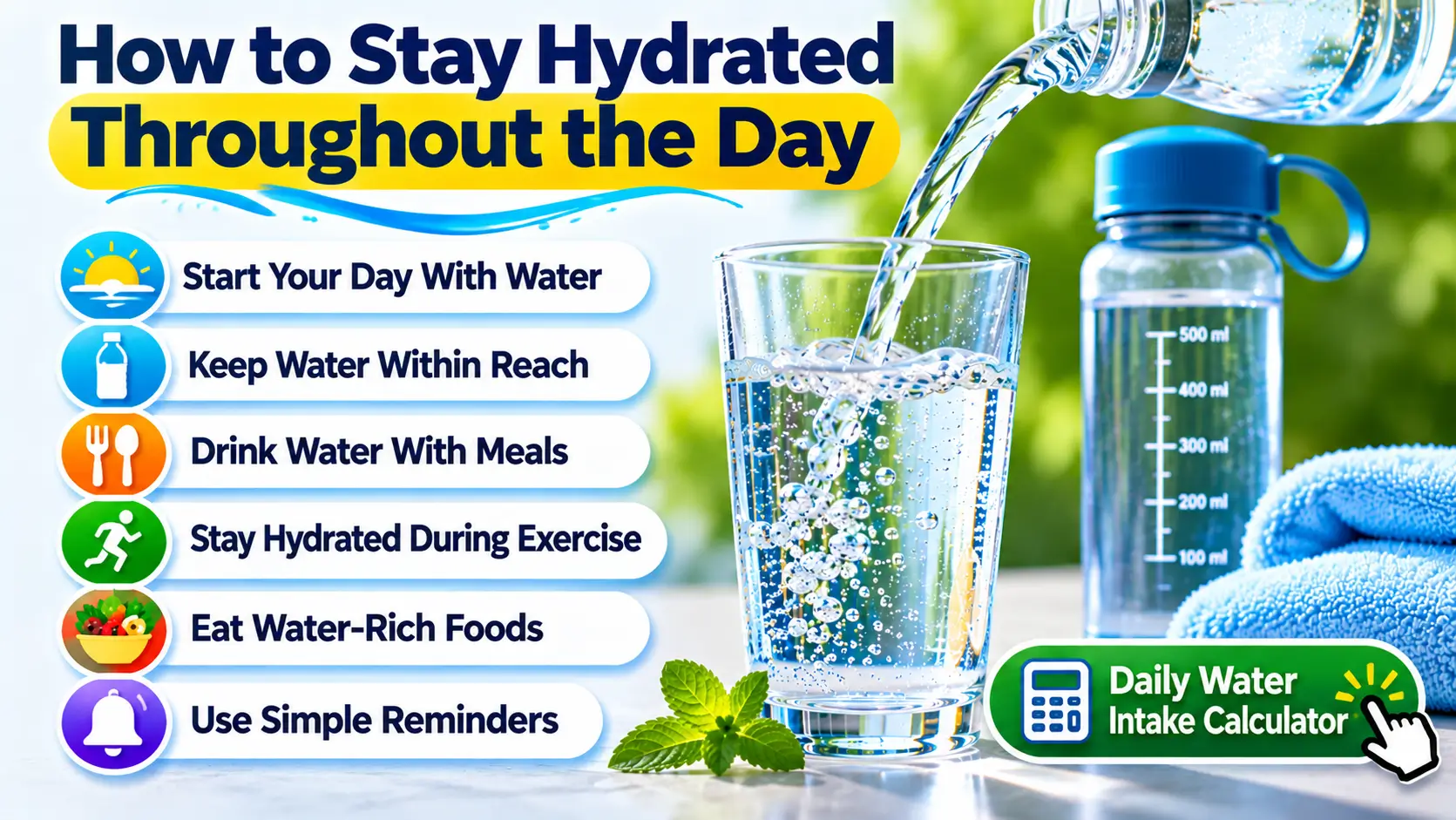
How to Stay Hydrated Throughout the Day?
Staying hydrated throughout the day does not have to be complicated. The easiest approach is to make drinking water a regular part of your daily routine instead of waiting until you feel very thirsty. A Daily Water Intake Calculator can also help you estimate how much fluid you may need based on your age, gender, weight, and height.
Your body loses water throughout the day through normal activities such as breathing, sweating, and urination. You replace this fluid through water, other drinks, and foods that contain water.
Your hydration needs can change from one day to another. Exercise, hot weather, physical work, diet, and your personal routine can all affect how much fluid you need.
The goal is not to drink as much water as possible. The goal is to maintain a consistent and sensible hydration routine that fits your lifestyle.
Start Your Day With Water
One simple way to build a hydration habit is to drink some water when you start your day.
After several hours of sleep, you have gone through a period without drinking. Having water in the morning can help you begin your daily fluid routine.
You do not need to drink a huge amount immediately after waking up. A normal glass of water can be a simple starting point.
If you usually forget to drink in the morning, keeping a glass or bottle near your usual breakfast area can make the habit easier.
The important part is consistency rather than a specific amount.
Keep Water Within Reach
One of the easiest ways to drink more regularly is to keep water nearby.
If you work at a desk, place a water bottle next to your computer. If you study, keep one beside your books or laptop.
When water is easily available, you are less likely to forget about it for several hours.
This is especially useful when you are busy. People often become focused on work, school, meetings, or household tasks and realize later that they have barely had anything to drink.
A visible water bottle can serve as a simple reminder.
Drink Water With Meals
Meals provide natural opportunities to drink water.
Having water with breakfast, lunch, and dinner can help you build a routine without needing to remember separate drinking times.
You can also drink water between meals when you feel thirsty.
There is no need to force yourself to drink a large amount with every meal. The idea is simply to make water part of your normal eating routine.
If you prefer other beverages with meals, water can still be included as part of your overall fluid intake.
Use a Reusable Water Bottle
A reusable water bottle can make hydration easier because you always have a drink available.
It can also help you understand how much you have consumed during the day if the bottle has a clearly marked capacity.
For example, if your bottle holds a known amount, you can keep track of how many times you refill it.
This does not mean you need to monitor every sip.
The purpose is to make your daily routine easier and give you a general idea of your fluid intake.
Choose a bottle that is convenient for your lifestyle. A bottle that is easy to carry is more useful than one that stays at home because it is too large or difficult to transport.
Drink More During Physical Activity
Exercise can increase your fluid needs because your body may lose water through sweating.
Before exercising, make sure you have access to water.
During activity, drink according to your needs, especially during longer sessions or when exercising in warm conditions.
After exercise, continue drinking fluids as part of your normal routine.
The amount you need depends on the activity, duration, temperature, and how much you sweat.
There is no single amount that every person should drink during every workout.
For short and light exercise, your normal drinking habits may be sufficient for many people. Longer or more intense activities require greater attention to fluid replacement.
Pay Attention to Hot Weather
Hot weather can make hydration more important because you may lose more water through sweating.
If you are spending time outdoors on a hot day, keep water with you and drink regularly.
Outdoor workers and people participating in physical activities may need to pay even closer attention to fluid intake.
Do not wait until you feel extremely thirsty before thinking about water.
Taking regular breaks and having access to fluids can make it easier to maintain your normal hydration routine.
Your needs may be different on a hot day compared with a cooler day, so your drinking habits should be flexible.
Eat Water-Rich Foods
Drinking water is not the only way your body receives fluids.
Many foods contain water, particularly fruits and vegetables. Soups and other water-rich foods can also contribute to your total fluid intake.
Including these foods in your meals can support your overall hydration.
For example, fruits and vegetables can provide both water and nutrients as part of a balanced diet.
However, eating water-rich foods does not mean you should stop drinking water.
Your total fluid intake comes from a combination of sources, so consider your overall diet and drinking habits together.
Set Simple Drinking Reminders
If you regularly forget to drink water, reminders can help.
You can set reminders on your phone, computer, or smartwatch. The purpose is not to force yourself to drink constantly.
Instead, reminders can prompt you to check whether you have had anything to drink recently.
You can also connect drinking water to existing habits.
For example, you might drink water when you start work, take a break, eat lunch, finish a workout, or return home.
Over time, these repeated actions can become part of your normal routine.
Do Not Wait Until You Are Very Thirsty
Thirst is a useful signal, but waiting until you are extremely thirsty every time may make hydration harder.
If you have gone several hours without drinking, make water available and drink according to your needs.
This is particularly important during exercise and hot weather when fluid loss may happen faster.
Regular drinking is generally easier than trying to replace a large amount of fluid all at once.
Your goal should be a steady routine rather than large amounts consumed in a short period.
Choose Water More Often
Water is a simple choice for regular hydration.
It does not need to be complicated or expensive. Keeping plain water available throughout the day can help you meet your fluid needs.
If you dislike plain water, you can try adding natural flavor from foods such as lemon, cucumber, or mint.
Some people also prefer drinking chilled water, while others prefer room-temperature water.
There is no need to follow one specific preference. Choose the form that makes it easier for you to drink regularly.
Other beverages can also contribute to fluid intake, but water is a straightforward everyday option.
Adjust Your Routine When Your Day Changes
Your hydration routine should not be identical every day.
For example, your needs may be different when you spend the day exercising compared with a day when you are mostly sitting indoors.
Travel can also change your normal habits. Long journeys, different weather, and busy schedules may make it easier to forget about drinking water.
When your routine changes, pay more attention to your fluid intake.
Keep water with you when possible and make drinking part of your regular breaks.
Flexibility is more useful than following a rigid schedule.
Use Your Daily Water Estimate
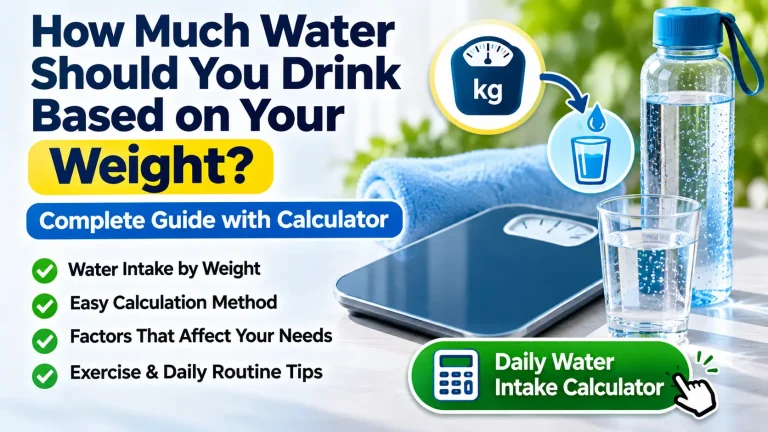
Knowing your approximate daily water needs can give you a useful starting point.
A Daily Water Intake Calculator can estimate your daily intake using personal details such as age, gender, weight, and height.
The result should not be treated as a strict requirement.
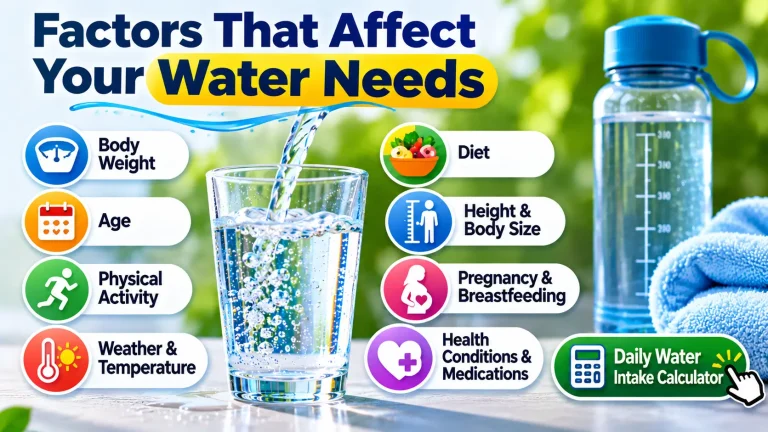
Your actual fluid needs can change depending on exercise, weather, diet, and other factors.
For example, the amount that works for you on a normal workday may not be the same amount you need after spending several hours exercising outdoors.
Use your calculator result as a general guide and adjust your habits based on your circumstances.
How to Spread Water Throughout the Day
Drinking water throughout the day is usually easier than trying to consume most of it at one time.
You can divide your drinking between different parts of your routine.
A simple pattern might include water in the morning, with meals, during work breaks, around exercise, and in the evening.
You do not need to follow exact times.
The purpose is to avoid long periods where you completely forget about fluids.
If you have a water bottle with a known capacity, you can refill it during the day rather than measuring every glass individually.
Avoid Drinking Excessive Amounts
Staying hydrated does not mean drinking as much water as possible.
Consuming very large amounts of water in a short period can be harmful. There is no benefit to forcing yourself to exceed your normal fluid needs simply because you believe more water is always better.
A calculator result should therefore be treated as an estimate, not a minimum that you must exceed.
The goal is balanced hydration.
If you have a medical condition or have been given specific instructions about fluid intake, follow your healthcare professional’s advice.
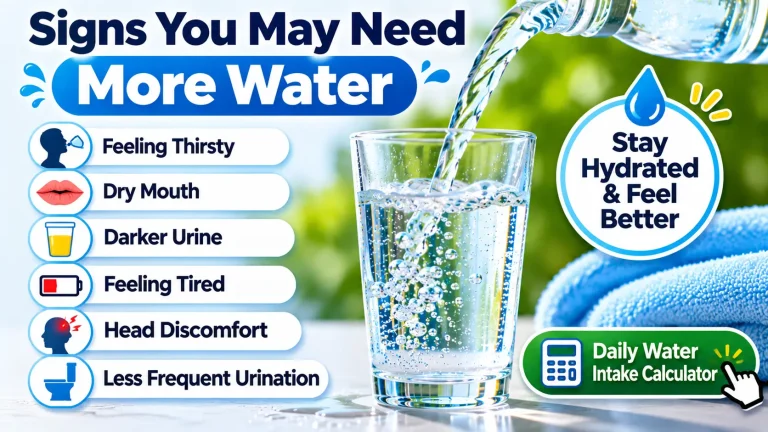
Signs You May Need to Pay More Attention
Your body can provide signals that may suggest you need to pay more attention to your fluid intake.
Thirst is one common signal. Dry mouth, darker urine, and increased fluid loss through sweating can also be reasons to review your drinking habits.
However, these signs are not perfect measurements.
Urine color can be affected by food, supplements, medications, and other factors. Similarly, tiredness can have many causes besides low fluid intake.
Look at the overall situation rather than relying on one sign.
If you have been exercising in hot weather and have not had much to drink, for example, it makes sense to focus on replacing lost fluids.
Daily Water Intake Calculator
A Daily Water Intake Calculator can make planning your hydration routine easier.
Instead of following a general rule for everyone, you can enter your personal information and receive an estimate based on the details requested by the tool.
Common inputs can include age, gender, weight, and height.
Once you receive your estimate, use it as a starting point for your daily routine.
You can spread your fluid intake across the day and adjust it when your activity or environment changes.
The calculator is designed to provide an estimate, not medical advice.
If your healthcare professional has given you specific fluid instructions, those instructions should take priority.
Simple Hydration Routine
A simple routine can make staying hydrated much easier.
Start your morning with water, keep a bottle nearby during the day, drink with meals, and take fluids with you when you exercise or travel.
Pay attention to hot weather and periods of increased physical activity.
You do not need to make hydration complicated.
Small habits repeated consistently can be more practical than trying to follow a strict schedule.
Final Thoughts
Staying hydrated throughout the day is mainly about consistency.
Keep water available, drink regularly, pay attention to situations that increase fluid loss, and adjust your intake when your routine changes.
Your water needs are personal. Weight, age, activity, weather, diet, and other factors can all influence how much fluid you need.
A Daily Water Intake Calculator can give you a useful starting estimate based on your personal details.
Use that estimate as a guide, not as a rigid rule. The goal is to develop simple hydration habits that you can realistically maintain every day.